27/12/2025
מיתוסים על הרכב החשמלי שכדאי לנפץ
שוקלים לעבור לרכב חשמלי ולפעמים מספרים לכם כל מיני "עובדות" מלחיצות כמו "הרכב חשמלי יקר" או "בטח אצטרך להיות צמוד לעמדת טעינה"? אנחנו כאן כדי לעבור על חלק מהמיתוסים הנפוצים יותר על הרכב החשמלי, ולסייע לכם לקבל את ההחלטות הנכונות במעבר לרכב החשמלי
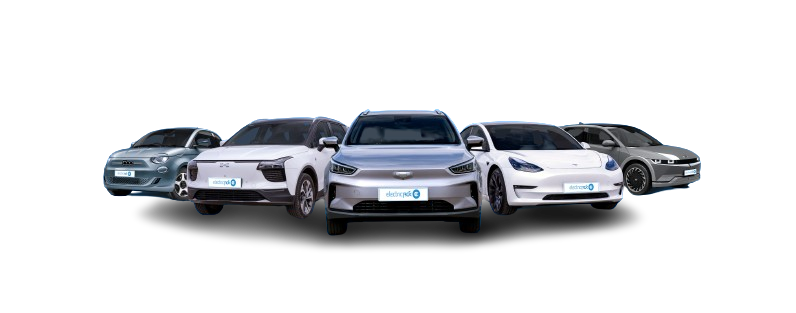
"הרכב החשמלי יקר"
לא נכון! כאשר תרצו לרכוש רכב חשמלי, תגלו שמחירו אינו יקר יותר מרכב מנוע בעירה. תלוי איזה רכב רוצים לרכוש. בנוסף, העלויות השוטפות של הרכב החשמלי נמוכות יותר. הנה כמה דוגמאות בהן תגלו כי רכישת הרכב החשמלי אינה יקרה בכלל, ואף זולה יותר מרכב מנוע בעירה:
- חיסכון בעלות הדלק: עלות חשמל בישראל זולה משמעותית מעלות הדלק. לדוגמא: הוצאה בגין תדלוק רכב בנזין עולה בין 65 ל-88 אגורות לכל ק"מ, בעוד שהוצאה בגין טעינת רכב חשמלי באמצעות טעינה ביתית עולה בין 8 ל-13 אגורות לכל ק"מ. כלומר, בכל קילומטר נסיעה ברכב חשמלי ניתן לחסוך בין 68% ל-81% מעלות הדלק.
- חיסכון בעלויות התחזוקה: ברכב חשמלי יש מעט מאד חלקם נעים ואינם דורשים תחזוקה מסורתית של רכב כגון: החלפת שמן או החלפת מסנני דלק. רפידות הבלמים יכולות להחזיק מעמד פי שניים בהשוואה לרכב שאינו חשמלי, בשל שימוש בבלימה רגנרטיבית. לכן, עלות אחזקה ממוצעת של רכב חשמלי מעניקה חיסכון של כ- 25% בשנה.
- חיסכון בעלות אגרת הרישוי: עלות האגרה השנתית של כל רכב חשמלי הינה אחידה והיא עומדת נכון להיום על סך של 567 שקלים, לעומת עלות משתנה של אלפי שקלים ברכב שאינו חשמלי. מדובר בחיסכון שנתי של מאות ואף אלפי שקלים בשנה.
"הרכב החשמלי לא בטיחותי"
לא נכון! המיתוס המרכזי נובע בעיקר בשל התפיסה המוטעית כי הרכב החשמלי "מתלקח" יותר מאשר רכב עם מנוע בעירה. לכל רכב יש פוטנציאל התלקחות והוא תלוי מצב. אין שום הוכחה בשום מקום כי הרכב החשמלי "מתלקח" יותר מאשר כל רכב אחר. בזמן תאונה הזרם החשמלי של הסוללה ברכב החשמלי נכבה באופן אוטומטי.
בנושא הבטיחות חשוב לציין כי הרכב החשמלי נמצא בקדמת הטכנולוגיה, מצויד במערכות הבטיחות המתקדמות ביותר והוא כפוף לגופי רגולציה כמו כל רכב אחר. במבחני ריסוק המבוצעים לכלי הרכב, נמצא כי הרכב החשמלי בטוח לנהיגה בדיוק כמו כל רכב אחר, ובמקרים מסוימים אף בטוח יותר.
"טווח הנסיעה של הרכב החשמלי קצר יותר מרכב מנוע בעירה"
לא נכון! לרכב החשמלי יש כיום טווח נסיעה שווה לזה של רכב מנוע בעירה. הדבר תלוי בגודל הסוללה וניתן להשוותו למיכל הדלק. כיום, ישנם רכבים חשמליים אשר מסוגלים לנסוע מרחק של 400 ק"מ ומעלה בין טעינות. היתרון של הרכב החשמלי הוא שניתן לטעון את הרכב בבית באמצעות עמדת טעינה, אך לא ניתן "לתדלק" את הרכב בבית...
"הסוללה לא תחזיק מעמד לאורך השנים"
לא נכון! לאורך השנים ההתקדמות הטכנולוגית הביאה לשיפור הן בתוחלת חיי הסוללה והן בטווח הנסיעה. מרבית יבואני הרכב החשמלי מציעים אחריות לסוללת הרכב לפרק זמן של עד 8 שנים או לחלופין עד 160,000 ק״מ (המוקדם מביניהם), ממועד רכישת הרכב. האחריות הניתנת משתנה מיצרן ליצרן, ולכן מומלץ לבדוק בהתאם לרכב הנרכש. חלק מהיצרניות מאפשרות תוכניות שונות הרחבות אחריות לסוללה.
חשוב לציין כי בכל שימוש בכל סוללה קיימת שחיקה, וניתן להעריך כי לאחר נסיעה של 150 עד 200 אלף קילומטרים תרד תכולת הסוללה ל-80-90%, כך שהסוללה תחזיק מעמד לאורך שנים רבות ותאפשר טווח נסיעה קצר יותר.
"הרכב החשמלי פולט קרינה מסוכנת יותר מרכבים אחרים"
לא נכון! הרכב החשמלי מיוצר בהתאם לתקנים מחמירים ועומד בכל הסטנדרטים הנדרשים. כל חלקי וכבלי המתח מוגנים לחלוטין, ולכן פליטת הקרינה דומה לזו של כל רכב אחר.
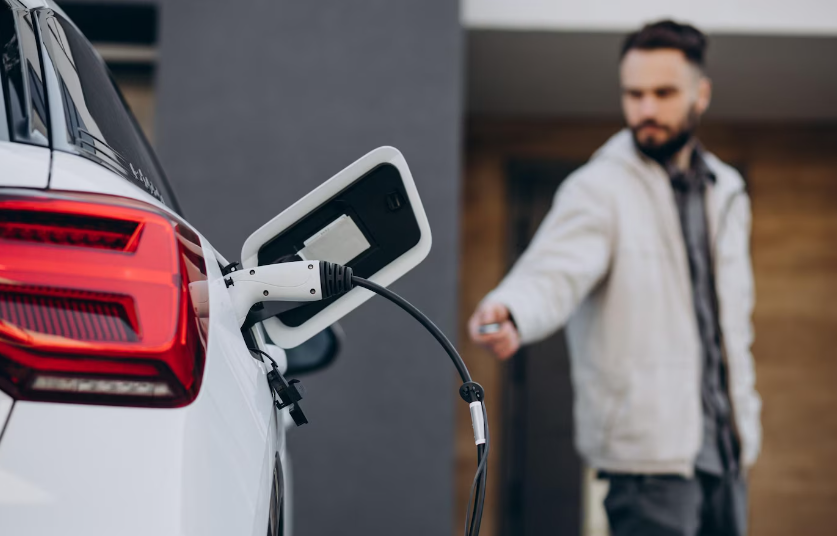
"צריך להישאר ליד הרכב החשמלי בזמן טעינה"
לא נכון! אין צורך להיות ליד הרכב בזמן הטעינה. ברוב המקרים, טעינת הרכב החשמלי מתבצעת במהלך הלילה או במהלך יום העבודה, ולכן אין כל חשש להשאיר את הרכב בזמן הטעינה ללא כל השגחה. בנוסף, הרכב החשמלי ננעל במהלך הטעינה כך שלא ניתן לנתק אותו ללא ידיעה.
"חשבון החשמל הביתי יתנפח בשל טעינת הרכב החשמלי"
לא נכון! עלות טעינת הרכב החשמלי נמוכה בכ-80% ביחס לעלות תדלוק של רכב מנוע בעירה. אולי חשבון החשמל הביתי יעלה, אך לשם המחשה, עלות הנסיעה ברכב חשמלי משפחתי עומדת על כ- 10 אגורות לקילומטר. אם לוקחים בחשבון את העובדה שנהג ישראלי ממוצע נוסע כ-15,000 קילומטר בשנה, מדובר בעלות שנתית של 1,500 ₪ בלבד, או 125 ₪ לחודש.
"כאשר טוענים את הרכב החשמלי בזמן שיורד גשם, אפשר להתחשמל"
לא נכון! כאשר מחברים את הרכב החשמלי לעמדת הטעינה, יש לא מעט אמצעי הגנה שנועדו למנוע התחשמלות. מערכת החשמל של הרכב החשמלי מבודדת ובטוחה לחלוטין. גם שקע הטעינה מוגן בפחת נגד התחשמלות, ולכן אין כל סכנת התחשמלות כאשר טוענים את הרכב בזמן שיורד גשם.
"אין מספיק מוסכים שיכולים לטפל ברכב חשמלי"
לא נכון! לכל יבואן של רכב חשמלי יש מגוון רחב של מוסכים בפריסה ארצית אשר מעניקים שירות מלא לרכב החשמלי אותו הם מייבאים לישראל.
"אי אפשר לנסוע עם הרכב החשמלי לאילת"
לא נכון! ברחבי המדינה פרוסות אלפי עמדות טעינה. בהתאם למסלול הנסיעה, ניתן למצוא את העמדות הזמינות בדרך לאילת באמצעות האפליקציה של חברת הטעינה או באמצעות אפליקציות שיתופיות.
הדרך הבטוחה לנפץ מיתוס היא לנסות בעצמכם. בהשכרת רכב חשמלי באלדן תבדקו את הטווח והטעינה בשגרה האמיתית שלכם, ואם זה עובד – אפשר להמשיך למסלול ליסינג פרטי או לרכישת רכב 0 ק"מ חשמלי.