01/10/2024
רכב חשמלי בחורף - כל מה שצריך לדעת | חדשות רכב אלדן
החורף מציב אתגרים עבור הרכב החשמלי, אשר "לא אוהב" שינויי טמפרטורה קיצוניים של חום וקור. כיצד מתמודד הרכב החשמלי במזג האוויר החורפי? האם הקור משפיע על סוללת הרכב ועל טווח הנסיעה? האם אפשר להטעין את הרכב החשמלי בגשם? נעשה סדר
החורף מגיע ומביא איתו את הקור והגשם, רוחות חזקות ולעיתים גם הצפות. שינוי הטמפרטורה, בעיקר קור וגשם, משפיעים על הרכב החשמלי בהיבטים של קיבולת ויעילות הסוללה, טעינת הרכב וטווח הנסיעה.
נהיגת חורף ברכב חשמלי
נהיגת רכב בחורף מצריכה משנה זהירות, ובמקרה זה אין שוני בין הרכב החשמלי לבין רכב מנוע בעירה. הרכב החשמלי שוקל יותר מרכב מנועה בעירה, בשל הסוללה המותקנת ברכב. לכן, חשוב להתאים את סגנון הנהיגה לתנאי מזג האוויר בהם יש ימי גשם עם כבישים רטובים וחלקים, ולהקפיד על תאוצה עדינה ונהיגה במהירות נמוכה יותר כדי לשמור על השליטה ברכב.
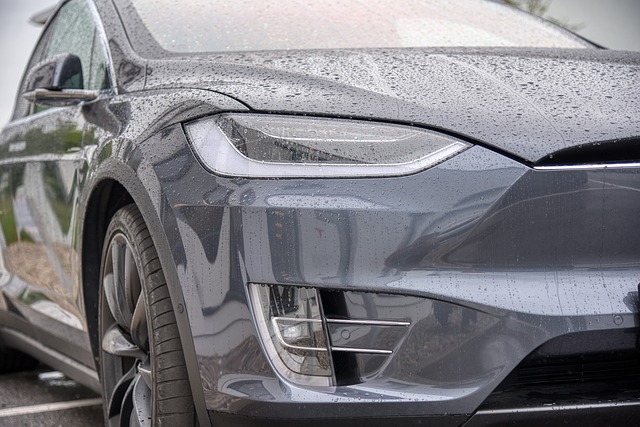
הרכב החשמלי מכיל רכיבים אלקטרוניים אשר עלותם יקרה, ולכן חשוב להקפיד לנסוע לאט על שטחים רטובים או כשעוברים בתוך שלוליות על מנת לא לגרום לנזק לרכיבים אלו וגם כדי לא לפגוע במערכת הבלימה הרגנרטיבית.
השפעות על קיבולת ויעילות הסוללה
טמפרטורה נמוכה גורמת להתנגדות מוגברת בתאי הסוללה, מה שמוביל לירידה משמעותית ביעילות הסוללה. טווח טמפרטורת הפעולה האופטימלית עבור סוללת הרכב החשמלי נעה בין 20 מעלות צלזיוס לבין 45 מעלות צלזיוס. כאשר הטמפרטורה החיצונית יורדת מתחת ל-20 מעלות צלזיוס, וקרובה לאפס, יעילות הסוללה פוחתת עקב הצורך להעלות את טמפרטורת הסוללה ולשמור עליה בטווח הרצוי. הדבר נכון בעיקר למי שגר או מבקר במקומות הגבוהים כמו הרי הגליל ורמת הגולן, הרי ירושלים ואזור הערבה, שם תצפו לירידה בטווח הנסיעה ובמשך זמן הטעינה הארוך יותר.
על מה חשוב להקפיד?
אספנו עבורכם כמה טיפים חשובים לנהיגה ברכב חשמלי בתקופת החורף:
- תקינות הצמיגים - טמפרטורה נמוכה עלולה לגרום לירידת לחץ האוויר בצמיגים, ולהשפיע על טווח הסוללה. לכן חשוב לשמור על לחץ אוויר תקין בצמיגים, על מנת לשפר את יעילות האנרגיה ב-3 עד 7 אחוזים.
- חניה מקורה - במידת האפשר, חנית הרכב במקום מקורה תסייע בשמירה טמפרטורת סוללה גבוהה.
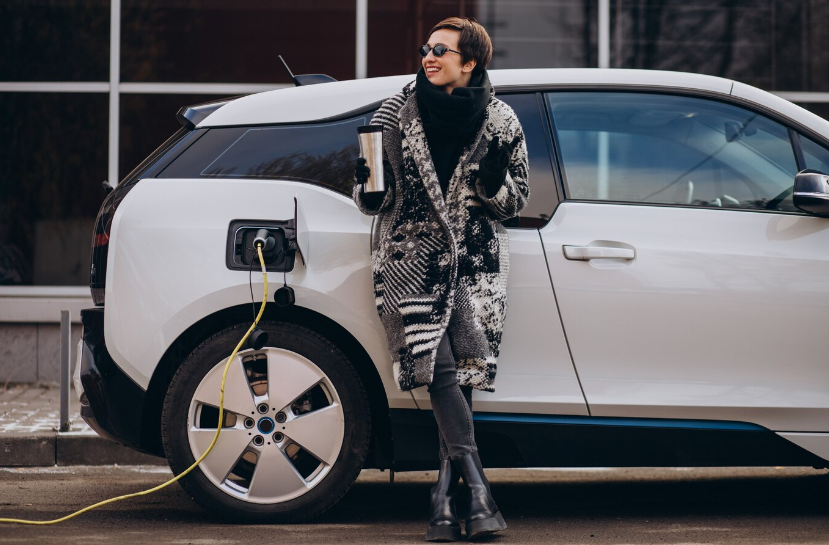
- מחובר לחשמל - במידת האפשר, שמירת הרכב מחובר לעמדת הטעינה, לא רק שומרת על טעינת הסוללה אלא גם עוזרת לשמור על הסוללה חמה. לחלק מהרכבים החשמליים יש מצב "Keep Warm" שניתן להפעיל בזמן הטעינה.
- לקחת בחשבון - בימים קרים, טווח הנסיעה מתקצר ב-20% עד 30%, ולכן יש להתחשב בכך בעיקר כשיוצאים לנסיעות ארוכות.
- לפני הנסיעה - חימום מראש של תא הנוסעים, כאשר הרכב עדיין מחובר לעמדת הטעינה, יפחית את צריכת האנרגיה במהלך הנסיעה. כך יוצאים לדרך גם עם סוללה מלאה וגם עם רכב נעים לנסיעה.
- תוך כדי הנסיעה - במקום להפעיל את מערכת המיזוג על חימום, עדיף להפעיל את חימום המושבים אשר צורכים פחות אנרגיה, ונותנים תחושת חמימות נעימה מבלי להשפיע על טווח הסוללה.
- נהיגה במצב חיסכון - תסייע בהפחתת השימוש בצרכני האנרגיה ובמיקוד אספקת האנרגיה למקומות הנחוצים.
- התאמת הרגנרציה - בטמפרטורה נמוכה עדיף לכוון את הרגנרציה לעוצמה הנמוכה ביותר לצורך שמירה על הסוללה.
- אתגר הטעינה - טמפרטורה נמוכה גורמת לטעינת הסוללה להימשך זמן רב יותר, לכן יש להתאזר בסבלנות עד שהסוללה תתחמם ותוכל להיטען בצורה סדירה. כמו כן, טעינה מהירה כאשר הטמפרטורה נמוכה עלולה "להלחיץ" את הסוללה ולכן, במידת האפשר, יש להימנע מטעינה מהירה במקרה כזה.
לסיכום, התנהלות נכונה עם הרכב החשמלי בתקופת החורף מצריכה שינוי חשיבה ולאורך זמן זה כבר הופך להיות חלק משגרת הנהיגה. חשוב לזכור כי לכל רכב חשמלי עשויות להיות המלצות ספציפיות, ולכן יש לעיין במדריך הרכב שברשותכם על מנת לקבל תוצאות מותאמות אישית.