25/02/2026
טעינת רכב חשמלי - כל מה שצריך לדעת
הרכב החשמלי דורש טעינה, כמו שרכב עם מנוע בעירה מצריך תדלוק. כאשר עומד להיגמר לנו הדלק, כל מה שצריך לעשות הוא פשוט להיכנס לתחנת הדלק הקרובה, לתדלק ולהמשיך בנסיעה. טעינת הרכב אינה דומה לתדלוק רכב, וניתן לתכנן את הטעינה בהתאם לצורך

טעינת הרכב החשמלי אפשרית באמצעות טעינה רגילה-איטית (AC) או באמצעות טעינה מהירה (DC), כאשר לכל אחת מאפשרויות הטעינה יש יתרונות וחסרונות. תחום טעינת הרכב החשמלי ניתן לחלוקה של טעינה ביתית וטעינה ציבורית.
טעינה רגילה-איטית או טעינה מהירה
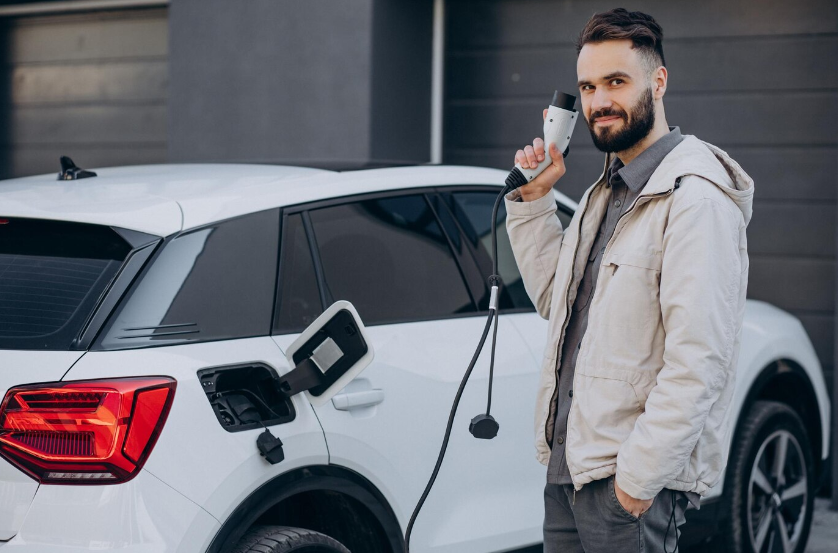
כאשר נרצה להטעין את הרכב החשמלי, עומדות בפנינו שתי אפשרויות: טעינה רגילה-איטית (AC) או טעינה מהירה/אולטרה מהירה (DC). את הרכב החשמלי ניתן להטעין באמצעות חיבור כבל מעמדת הטעינה לרכב החשמלי.
טעינה רגילה (AC) - טעינה בהספק נמוך, המתאפשרת באמצעות עמדת טעינה אשר מותקנת בחנית הבית, אך ניתן למצוא אותה גם במקומות ציבוריים כמו: מרכזי קניות, בחלק מתחנות הדלק, בחניונים ציבוריים ולעיתים גם ברחבי העיר.
טעינה רגילה מוגדרת כטעינה "איטית" וזמן הטעינה נמשך מספר שעות בהתאם ליכולת של העמדה לספק ובהתאם ליכולת של הרכב לקבל את ההספק המבוקש.
ישנן שתי אפשרויות לטעינה רגילה של רכב חשמלי:
- טעינה באמצעות עמדת טעינה מסוג AC - זוהי טעינה אידיאלית בשל היותה ממושכת, היא הנוחה והמומלצת ביותר ולרוב תתבצע בשעות הלילה בבית או במשך שעות העבודה, במשרד.
- טעינה באמצעות שקע חשמל ביתי - הטעינה מתבצעת בעזרת כבל מיוחד בעל רכיב הגנה וניהול טעינה, אשר לעיתים מגיע יחד עם הרכב החשמלי בעת הרכישה או שניתן לרכוש אותו בנפרד.
טעינה באמצעות שקע חשמל ביתי אינה מומלצת לשימוש קבוע היות והיא מעמיסה על תפוקת החשמל הביתית, אינה מתאימה לעמוד בעומס קבוע של טעינת רכב חשמלי וזמן הטעינה עשוי להימשך זמן רב.
חשוב לדעת: על פי הנחיות רשות החשמל ניתן להטעין רכב חשמלי בשקע ביתי עם הספק גבוה למשך שעתיים לכל היותר, או באמצעות שקע חשמל תעשייתי. כדי להתקין שקעים כאלה, יש לפנות לחשמלאי מוסמך.
ישנם מספר יתרונות לטעינה רגילה:
- נוחות - לרוב, עמדת טעינה רגילה נמצאת בחניה, כך שטעינת הרכב מייתרת את הצורך לבקר בתחנת הדלק ומאפשרת לנצל את הזמן בצורה יעילה.
- עלות הטעינה הרגילה זולה באופן משמעותי מעלות הטעינה המהירה.
- רכב חשמלי שעיקר הטעינה שלו היא טעינה רגילה, ישמור על אורך חיי סוללה גבוה יותר וכמות תקלות נמוכה בכל הקשור לסוללת הרכב.
טעינה מהירה/אולטרה מהירה (DC) - טעינה בהספק גבוה, המתאפשרת באמצעות עמדת טעינה אשר מותקנת רק במקומות ציבוריים כמו: מרכזי קניות, בחלק מתחנות הדלק, בחניונים ציבוריים ולעיתים גם ברחבי העיר.
טעינה מהירה מאפשרת להטעין את הרכב החשמלי בזמן קצר יחסית ומאפשרת למלא כ-80% מקיבולת הסוללה בתוך כחצי שעה.
טעינה מסוג זה מומלצת רק במקרה הצורך, כאשר נרצה לצאת לנסיעה ארוכה המצריכה טעינה של הרכב במהלך הנסיעה. שכן, אורך חיי הסוללה מושפע יותר מטעינה מהירה מאשר מטעינה רגילה, ולכן מומלץ כי סך הטעינות המהירות לא יעלה על %10 מכלל הטעינות.
היתרון של טעינה מהירה/אולטרה מהירה מאפשר לקצר את זמן הטעינה לכ-חצי שעה לעומת טעינה רגילה אשר נמשכת מספר שעות. לעומת זאת, החיסרון של הטעינה המהירה/אולטרה מהירה הוא בעלות הטעינה, אשר יכולה להגיע לכ-פי 3 לעומת הטעינה הרגילה.
זמן הטעינה של הרכב החשמלי
משך זמן הטעינה של רכב חשמלי תלוי במספר גורמים:
- מצב הטעינה בסוללה - ניתן לראות בלוח השעונים את אחוז הסוללה שנותר. הכמות שתופיע על הצג תקבע את זמן הטעינה, וניתן לומר כי 80 האחוזים הראשונים בסוללה נטענים מהר יותר מאשר ה-20% שנותרו.
- קיבולת הסוללה - נמדדת בקילוואט לשעה (קוט"ש), ומלבד השפעתה על טווח הנסיעה, היא משפיעה גם על משך זמן הטעינה. ככל שקיבולת הסוללה גדולה יותר, כך זמן הטעינה יהיה ממושך יותר ולהיפך.
- ההספק החשמלי של עמדת הטעינה, אשר יכולה לתת לרכב החשמלי.
- ההספק החשמלי המקסימלי שהרכב החשמלי יכול לקבל מעמדת הטעינה.
עלות הטענה של רכב חשמלי
התשובה לכך תלויה במקום בו מטעינים את הרכב החשמלי: עלות טעינת הרכב בעמדת טעינה ביתית תלויה בתעריף הנקבע על ידי חברת חשמל, והיא עומדת כיום על 62.50 אגורות לקילוואט שעה (קוט"ש). לעומת זאת, עלות טעינת הרכב בעמדת טעינה ציבורית תהיה גבוהה יותר והיא תלויה בתעריף הנקבע על ידי חברת הטעינה.
היכן ניתן למצוא עמדות טעינה ציבוריות?
בישראל יש כיום אלפי עמדות טעינה ציבוריות, כאשר החלוקה עומדת על כ-3,400 עמדות טעינה רגילה (AC),
וכ-600 עמדות טעינה מהירה (DC)
לכל חברת הטענה יש מפת עמדות טעינה הפזורות ברחבי הארץ, אותה ניתן למצוא בקלות באפליקציה ייעודית או באתר האינטרנט.
כמו כן, ישנן מספר אפליקציות המסייעות באיתור עמדת הטעינה ומספקות מידע אודות זמינות העמדה, עלות הטעינה, מיקומה ואף אפשרות לנווט אל העמדה.
הדרך הפשוטה להבין איך טעינה משתלבת בשגרה שלכם היא לנסות. בהשכרת רכב חשמלי באלדן תקבלו רכב טעון עם הסבר מלא על מסלולי הטעינה, ואם ההתנסות עובדת אפשר להמשיך למסלול ליסינג פרטי או לרכישת דגם 0 ק"מ חשמלי.