29/09/2024
Charging station - the end of gas stations?
The electric vehicle is already here, disconnecting us from the need to enter the gas station and connecting us to the charging station. What is a charging station, what types of stations are there for electric vehicles, and how to maintain the charging station over time?
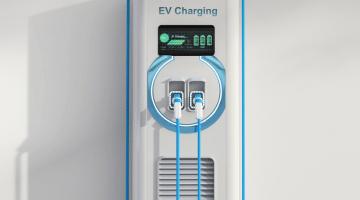
A charging station is a device that provides electrical energy for charging electric vehicles. The station is usually a fixed station connected to the power grid, with a socket or cable that allows connection to an electric vehicle. When the vehicle is connected to the charging station, a "connection" is made between the station and the electric vehicle, after which the station transfers the electric current to the electric vehicle.
Electric vehicle charging stations There are three types of charging stations for electric vehicles:
Regular charging station (AC) - with a charging power of 3.6KW to 22KW, defined as "slower" and allows full battery charging within 6-12 hours. This type of charging can be done using a home charging station or a public charging station. Fast charging station (DC) - with a charging power of 50KW and above, allowing to fill about 80% of the battery capacity within about half an hour. This type of charging will be done using a public charging station. Super/ultra-fast charging station (DC) - with a charging power of 100KW and above. The charging time is supposed to be even shorter than the fast charging station. This type of charging will be done using a public charging station. Exception: Tesla has unique public charging stations suitable only for Tesla vehicles, called Supercharger stations. These are super/ultra-fast DC charging stations.
Home charging station for electric vehicles When talking about a home charging station, it refers to a regular AC charging station. Home charging stations can be divided into two types:
Single-phase charging station. Used in cases where the electrical infrastructure is domestic or small.
Advantages:
Ease of installation, due to the requirement for a single connection to the existing electrical infrastructure in the building or house. Limited charging capacity, in places where three-phase electricity cannot be transferred. Disadvantages:
Very low charging power (3.6KW-7.4KW) which significantly extends the charging time (up to 3 times). Creating electrical loads on the local infrastructure which may limit the number of users connected simultaneously to the electrical infrastructure. Three-phase charging station. Used in cases where a larger amount of electricity is needed and the existing infrastructure allows it.
Advantages:
Higher charging speed, allowing to shorten the charging time significantly (up to 3 times), which allows more convenience and flexibility. Suitable for vehicles with a large battery, which requires a high charging current that helps shorten the charging time. Disadvantages:
Three-phase connection may require changes to the existing electrical infrastructure, and sometimes cause additional expenses and installation difficulties, especially in places where the electrical infrastructure is limited. Sometimes a three-phase connection cannot be made due to technical difficulties.
Installing a charging station The installation of an electric vehicle charging station is regulated under the Electricity Regulations (installation of a charging system for electric vehicles), 2020. According to the regulation, the installation of a charging station near the residence can only be done by a certified electrician. The installation process includes three stages:
In the technical survey stage, an electrician will come to check whether the installation location is suitable for installing a charging station. The installation of the station will be carried out after the installation location is approved by the electrician and will be carried out by him only. At the end of the installation, and before operating the station for the first time, an electrical inspection must be carried out by a certified electrician who confirms that the charging station was installed according to the electricity regulations and the guidance instructions and that it is approved for connection to the grid. Proper use and regular maintenance of the charging station A charging station, like any other electrical product, may malfunction over time. However, adhering to some routine guidelines can help maintain the charging station's functionality over time. We have collected a few for you:
The installation of the charging station, as mentioned, can only be done by a certified electrician and at the end of it, and before operating the station for the first time, an electrical inspection must be carried out by a certified electrician. Operation and use according to the manufacturer's instructions for the charging station. Make sure not to charge the vehicle using an extension cord. If necessary, purchase a cable that is suitable for the desired length and meets the required standards. Routine inspection, during which the integrity of the station, the condition of the charging cable, and the condition of the switches should be checked. You can use a suitable professional. Periodic inspection of the residual current device (RCD), once every three years. The inspection will be carried out by a certified electrician. Inspection of the charging system, once every six years, will be carried out by a certified electrician.