02/06/2024
היסטוריה ותרבות: להכיר את אשקלון | חדשות רכב אלדן
היסטוריה ותרבות באשקלון – כשישן וחדש נפגשים
עבור מי שגר באשקלון זו לא תהיה הפתעה גדולה, אבל רבים מאלו שאינם גרים בה לא יודעים שאשקלון היא אחת הערים העתיקות ביותר בישראל. כלומר, ודאי שלא בצורתה הנוכחית, שהחלה עם הקמת המדינה ב-1948. אבל באזור אשקלון הייתה קיימת העיר הפלישתית אשקלון עוד לפני שלושת אלפים שנה ויותר. חלקכם אולי זוכרים שהסיפור של שמשון הגיבור מספר שופטים התחיל אולי באזור בית שמש, אבל סופו הטרגי התרחש ממש כאן, באזור הזה.
אז באשקלון עצמה תוכלו לפגוש את ההיסטוריה העתיקה של ארצנו, ובקרבתה תוכלו לפגוש את ההיסטוריה המודרנית יותר. קרבות מלחמת השחרור בניצנים, מוזיאון משואה לתקומה בקיבוץ יד מרדכי, מרכז מורשת קטיף במושב ניצן, ועוד. אז בהגיעכם לאשקלון אל תתמקדו אך ורק בים, אלא קחו את הרכב וסעו לפגוש את ההיסטוריה של כולנו. תוכלו לעשות שימוש כמובן ברכב שלכם, או לשכור אחד בחברת השכרת רכב בארץ.

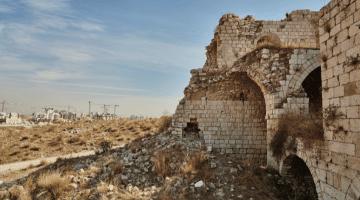
קרדיט:דר אבישי טייכר, מתוך אתר פיקיויקי
גן לאומי תל אשקלון
כשמדברים על ההיסטוריה של אשקלון, המקום הטוב ביותר להתחיל בו הוא הגן לאומי תל אשקלון, המופעל על ידי רשות הטבע והגנים ונמצא בדרומה של העיר ובסמוך לחוף הים. הגן הלאומי כולל אתרים ארכיאולוגיים, מסלולי הליכה בטבע, תיאטרון עתיק שעדיין פעיל לאירועים, ואפילו חוף רחצה מתוחזק היטב שפתוח לרחצה בחודשי הקיץ. בין האתרים הארכיאולוגיים שבגן הלאומי תוכלו למצוא שער כנעני בן קרוב לארבעת אלפים שנה (!), סוללת חומות מאותה התקופה פחות או יותר וכן חומות מימי הביניים, בארות מים עתיקות ואפילו בזיליקה רומית בת קרוב לאלפיים שנה. את הביקור במקום תוכלו לבצע עצמאית, או דרך השימוש בפלטפורמה של "חדר בריחה" שהכינו עבור המבקרים בגן הלאומי. שימו לב שהכניסה לגן הלאומי היא בתשלום, ויש להקפיד על שעות הכניסה (עד שעתיים לפני שעת הסגירה).
גן לאומי בית גוברין
במרחק של כחצי שעה נסיעה מאשקלון ממוקם הקיבוץ בית גוברין, ובסמוך אליו נמצא הגן הלאומי בעל אותו השם. מדובר באחד הגנים הלאומיים המופלאים ביותר בישראל, והוא ממוקם בליבה של מה שנקראת "ארץ אלף המערות". האזור מפורסם בשל המערות הרבות החצובות בו, מערות ששימשו בתקופה הקדומה לשלל מטרות כדוגמת אחסון, מגורים, מלחמה, ועוד. אולי אתם יודעים על השימושים הרבים שעשו במקום לוחמיו של בר כוכבא בזמן המרד המפורסם במאה השנייה לספירה, מרד שסופו העגום מהדהד בהיסטוריה היהודית עד היום. בנוסף על המערות, תוכלו למצוא במקום אמפיתיאטרון עתיק ושלם, תצפיות מרשימות, מגוון רחב של צמחייה בנקודת החיבור בין הרי יהודה לשפלת החוף, וכן בעלי חיים ממינים שונים. גם כאן חשוב לציין שהכניסה לאתר היא בתשלום.

קרדיט:סתיו קונשטיק, מתוך אתר פיקיויקי
קיבוץ יד מרדכי
קיבוץ יד מרדכי נמצא במרחק של כרבע שעה נסיעה בלבד ממרכז אשקלון, ומהווה מוקד משיכה למבקרים בהציעו שלל אטרקציות לכל המשפחה, ובראשן שתי נקודות עניין מרכזיות. בין אם אתם מגיעים אל האזור לכמה ימים ובין אם קופצים לשם במיוחד, זהו יעד שאסור לכם לפספס. הנקודה הראשונה בקיבוץ היא המוזיאון משואה לתקומה, נקודה ייחודית ביותר שבה ניסו המקימים לתפוס את ההיסטוריה של העם היהודי בחלקה הראשון של המאה העשרים, על השבר והתקומה שבה. הקיבוץ עצמו קרוי על שם מרדכי אנילביץ', המפקד של הארגון היהודי הלוחם (אי"ל) בגטו ורשה, כך שהחיבור בין הסבל להתנגדות ולתקומה איננו מקרי כלל וכלל. נקודת העניין המרכזית השנייה בקיבוץ היא בית הדבש והדבורה. קיבוץ יד מרדכי מהווה את השחקן המרכזי בשוק הדבש בישראל, והמרכז מציג בפני המבקרים את תהליך הכנת הדבש והטיפול בדבורים.
מרכז קטיף בניצן
היישוב ניצן נמצא כרבע שעה נסיעה מאשקלון. היישוב פתח את שעריו למשפחות רבות שפונו מגוש קטיף בתכנית ההתנתקות בשנת 2005, שמאז בנו שם את ביתם מחדש. כתוצאה מכך, הוחלט לפתוח ביישוב את מרכז קטיף, המציג את ההיסטוריה של ההתיישבות בגוש קטיף (ברצועת עזה של היום), את מהלך תכנית ההתנתקות והמחלוקת העזה סביבה, ואת אתגרי הצמיחה מחדש לאחר פינוי היישובים. עם התמשכות הקונפליקט אל מול רצועת עזה גם לאחר תכנית ההתנתקות, ובמיוחד לאחר פרוץ המלחמה, העיסוק בהתיישבות הישראלית שנכחה בשטחי חבל עזה עולה שוב על השולחן. זו הזדמנות עבור כל מי שלא מכיר מספיק את ההיסטוריה של האזור להחכים בנושא.